

Benefits of CRM for Customer Experience You Can’t Ignore
Kenfra Research - Bavithra2026-03-26T17:17:56+05:30Customers expect quick, personal, and helpful service. Businesses that fail to meet these expectations often lose customers to competitors. This is where CRM, or Customer Relationship Management, comes in. CRM helps companies organize customer information, track interactions, and provide better service. One of the main benefits of CRM to customers is that it makes their experience smoother and more personalized. From faster responses to tailored recommendations, CRM ensures that customers feel valued and understood. In this blog, we will explore the key ways CRM improves customer experience and why it matters for every business.
How the Benefits of CRM to Customers Improve Their Experience
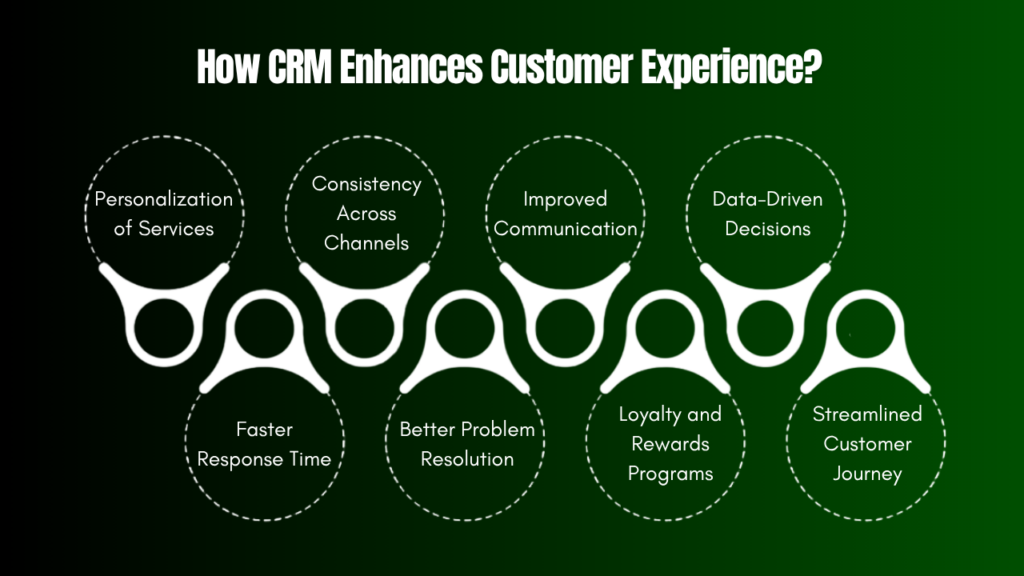
1. Personalization of Services
One of the biggest benefits of CRM to customers is personalization. With Customer Relationship Management Software, businesses can collect information about customers’ preferences, purchase history, and behavior. This allows them to offer products, services, and recommendations that match the customer’s needs.
For example, if a customer regularly buys a certain type of product, a company can suggest similar products or offer special deals. This personalized experience makes customers feel valued and understood.
2. Faster Response Time
Nobody likes to wait for answers. CRM benefits include allowing customer service teams to quickly access information about a customer’s previous interactions, complaints, or purchases. This means they can solve problems faster without asking the customer to repeat themselves.
Faster response time improves customer satisfaction and builds trust. When customers feel their time is respected, they are more likely to stay loyal to a brand.
3. Consistency Across Channels
Customers interact with businesses in many ways—through phone calls, emails, social media, or in-person visits. CRM systems help ensure that the customer experience is consistent across all these channels.
For example, if a customer contacts a company on social media and later calls the support line, the support team can see all previous conversations. This prevents frustration and makes customers feel their concerns are taken seriously.
4. Better Problem Resolution
CRM systems track every customer issue and its resolution. This means businesses can identify patterns and prevent similar problems in the future—one of the key benefits of customer relationship management. Customers benefit because issues are solved more efficiently, and recurring problems are minimized.
For instance, if multiple customers report the same issue with a product, the company can quickly address it before it becomes a bigger problem. This proactive approach improves the overall customer experience.
5. Improved Communication
CRM systems help businesses communicate with customers in a more organized way. Automated emails, reminders, and follow-ups ensure that customers never miss important updates.
For example, customers receive timely notifications about new products, discounts, or service updates. This keeps them engaged and makes them feel informed, which is another key benefit of CRM to customers.
6. Loyalty and Rewards Programs
Many CRM systems have features that help businesses create loyalty programs. By tracking customer purchases and interactions, companies can reward loyal customers with points, discounts, or special offers—one of the key CRM advantages.
These programs make customers feel appreciated and encourage them to return. A well-managed loyalty program shows customers that the business cares about their long-term relationship, not just individual sales.
7. Data-Driven Decisions
CRM systems collect a lot of data about customer behavior and preferences. Businesses can use this data to make better decisions about products, services, and marketing campaigns.
For customers, this means they get more relevant offers and services. Instead of generic marketing, customers experience solutions tailored to their needs, which enhances satisfaction.
8. Streamlined Customer Journey
A CRM system maps out the entire customer journey—from first contact to post-purchase follow-up. By providing insights into customer behavior and pain points, it offers one of the most valuable CRM software advantages: the ability to proactively improve the customer experience.
For example, if customers often abandon their shopping carts online, CRM data can help identify the reason and fix it. A smooth, hassle-free customer journey is one of the strongest benefits of CRM for customers.
Real-Life Examples of CRM in Action
Many companies are already reaping the benefits of CRM.
- E-commerce websites use CRM to suggest products based on previous purchases. Customers see products they are more likely to buy, which improves satisfaction.
- Hotels and travel agencies use CRM to remember customer preferences like room type, seating preference, or special requests. This creates a personalized travel experience.
- Banks use CRM to provide timely updates on account activities or offer products suited to customers’ financial goals.
These examples show that CRM is not just a tool for businesses—it directly enhances the customer experience.

Frequently Asked Questions
1. How does CRM improve customer service?
CRM improves customer service by giving support teams instant access to customer history, complaints, and preferences. This means customers get faster responses, consistent answers, and personalized solutions.
2. Can CRM reward loyal customers?
Yes, many CRM systems allow businesses to create loyalty and rewards programs. Customers can earn points, discounts, or special offers, which increases satisfaction and encourages repeat business.
3. How do businesses use CRM data to benefit customers?
CRM collects valuable information about customer behavior and preferences. Businesses can use this data to offer better products, relevant promotions, and proactive solutions, which makes the customer experience more tailored and efficient.
4. Is CRM useful for all types of businesses?
Definitely. From e-commerce sites and hotels to banks and service companies, CRM systems enhance customer experiences across industries by providing personalized, fast, and consistent service.
Conclusion
Investing in a CRM system is no longer optional—it is essential for any business that wants to succeed in today’s competitive market. The benefits of CRM to customers go beyond better service—they create trust, loyalty, and a more enjoyable customer journey.
A well-implemented CRM system allows businesses to understand their customers better, solve problems faster, and communicate more effectively. In the end, happy customers are the best asset for any company. A well-implemented system like Kenfra CRM allows businesses to understand their customers better, solve problems faster, and communicate more effectively.










Leave a Reply