

Saving vs Investing in 2026: What Actually Works Now?
Kenfra Research - Bavithra2026-03-24T16:59:53+05:30Managing money in 2026 is not as simple as it used to be. Prices are going up, job security is changing, and there are more financial options than ever before. Many people are confused about one important question: Should I save money or invest it? The answer is not choosing one. The real answer is understanding how to use both saving and investing together. In this detailed guide, you will learn about saving vs investing detaily — what saving is, what investing is, how they work in 2026, and what you should actually do to grow your money.
What is Saving?
Saving means keeping your money in a safe place so you can use it later. This could be in a savings account, fixed deposit, or even cash.
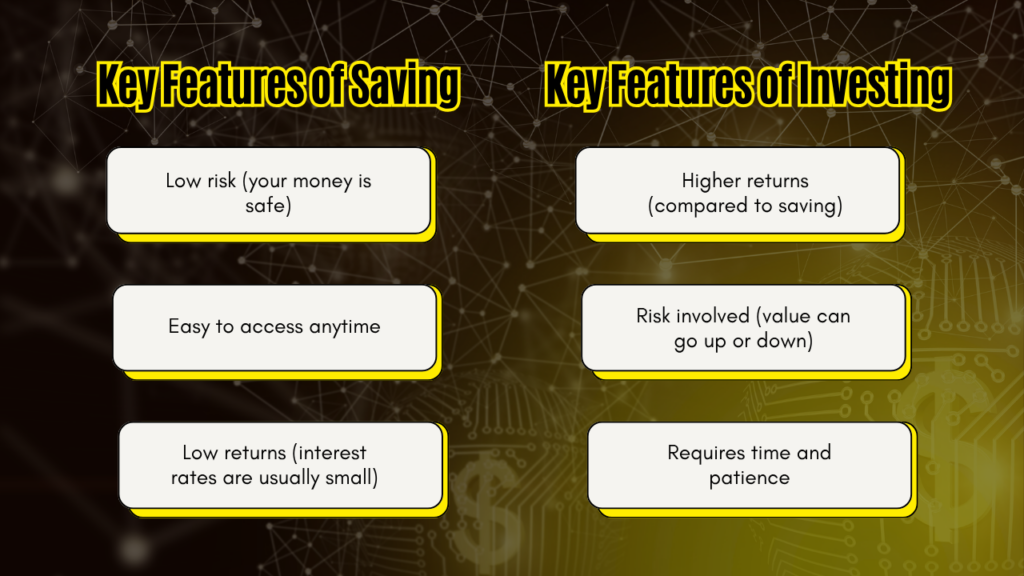
Key Features of Saving:
- Low risk (your money is safe)
- Easy to access anytime
- Low returns (interest rates are usually small)
Best for:
- Emergency funds
- Short-term goals (like buying a phone or planning a trip)
- People who don’t want to take risks
Savings is important because it gives you financial security and peace of mind. It also helps you avoid borrowing money in difficult times. If you are wondering how to start savings, begin by setting a small goal, like saving a part of your monthly income. Track your expenses and reduce unnecessary spending. Even small savings regularly can grow over time and help you achieve your goals.
What is Investing?
Investing means putting your money into something that can grow over time. This includes stocks, mutual funds, real estate, or even digital assets. Investing is different from saving because it focuses on growth, not just safety. A person should learn basic information before investing money. This is called smart investing. It means making careful and informed decisions instead of random choices.
Key Features of Investing:
- Higher returns (compared to saving)
- Risk involved (value can go up or down)
- Requires time and patience
Best for:
- Long-term goals (like buying a house, retirement)
- Building wealth
- Beating inflation
Some Smart Investment Strategies include starting early, investing small amounts regularly, and spreading money across different options to reduce risk. Always understand where your money is going before investing. With patience and discipline, investing can help you achieve your financial goals over time
Saving vs Investing: Key Difference
Why Saving Alone Doesn’t Work in 2026?
In 2026, inflation is one of the biggest problems. Prices of daily items keep increasing. If your money stays only in a savings account, it may lose value over time.
Example:
If inflation is 6% and your savings account gives 3% interest, your money is actually losing value.
That is why saving alone is not enough today. Many people keep money in a savings account, but the interest rate is usually low. Some people also use small savings schemes interest rates to earn a little more safely. Choosing the best savings software can help you get better interest, but it is still not enough to beat inflation.
So, it is better to use both saving vs investing. Keep your emergency money in savings for safety, and use investing to grow your money. This simple balance helps you stay safe and also increase your money over time.
Why Investing is More Important in 2026?
Investing is very important in 2026 because it helps your money grow faster than inflation. If you only keep money in savings, its value may reduce over time. But investing helps your money increase and build wealth.
Benefits of Investing in 2026:
- Beats inflation
- Creates passive income
- Helps achieve big financial goals
- Easy access through digital platforms
- More options like mutual funds and stocks
Investments are useful for long-term success. When you start investing early, even small amounts can grow into a large sum over time. It also helps you become financially independent in the future. Many people use different investments to reduce risk and improve returns.
Popular Investment Options in 2026
Here are some of the best and trending investment options:
1. Mutual Funds
- Great for beginners
- Managed by professionals
- Options like SIP (Systematic Investment Plan)
2. Stock Market
- High returns potential
- Requires knowledge and research
3. Real Estate
- Long-term wealth creation
- Rental income opportunities
4. Gold and Digital Gold
- Safe investment during uncertain times
5. ETFs (Exchange-Traded Funds)
- Low cost
- Easy to buy and sell
Saving vs Investing: What Actually Works Now?
In 2026, the answer is clear:
- Saving works for safety
- Investing works for growth
If you only save, your money won’t grow enough.
If you only invest, you may face risks without backup.
The best approach is balance. Keep money in savings for emergencies and daily needs, and use investing to grow your wealth over time. This way, you get both safety and growth.
A good financial plan uses both saving and investing together. Saving protects you in difficult times, while investing helps you reach long-term goals like buying a house, education, or retirement. In today’s world, this balance is the smartest way to manage money and build a secure future.
Frequently Asked Questions
1. What’s the difference between saving and investing?
Saving is keeping money in a safe place with low returns. Investing is putting money in things like stocks or property to grow it, but with more risk.
2. What are the best investment options in 2026?
Popular investment options include mutual funds (great for beginners), the stock market (higher returns potential), real estate (long-term wealth creation), gold (safe investment), and ETFs (low-cost and easy to buy/sell).
3. How can I balance saving and investing?
Use saving for short-term goals and emergencies, and invest for long-term growth. Keeping a portion of your funds in savings for security and investing the rest in assets that offer growth potential will help you achieve both safety and financial growth.
4. What should I prioritize—saving or investing?
Both are important, but the priority depends on your goals. If you need security and quick access to funds, focus on saving. If you’re aiming for long-term financial growth, investing is essential. A combination of both is the most effective approach.
Final Thoughts
Money management is not about choosing one option over the other. It’s about understanding your goals and using the right strategy. With tools like Kenfra Finstar, the best finance app in India you can better plan, track, and balance both saving and investing in one place. Saving gives you peace of mind. Investing gives you financial freedom. Start by building a strong savings base, then move into smart investing. The earlier you start, the better your future will be.











Leave a Reply